Most San Franciscans know beautiful St. Francis Wood on the west side of "The City".
They know the graceful homes, the winding streets, the mature landscaping, and the feeling that you have stepped into one of the city’s most established residential communities.
But just on the other side of the woods, tucked into the hillside beneath Mount Davidson, is another enclave many people drive past without ever truly discovering.
Westwood Highlands.
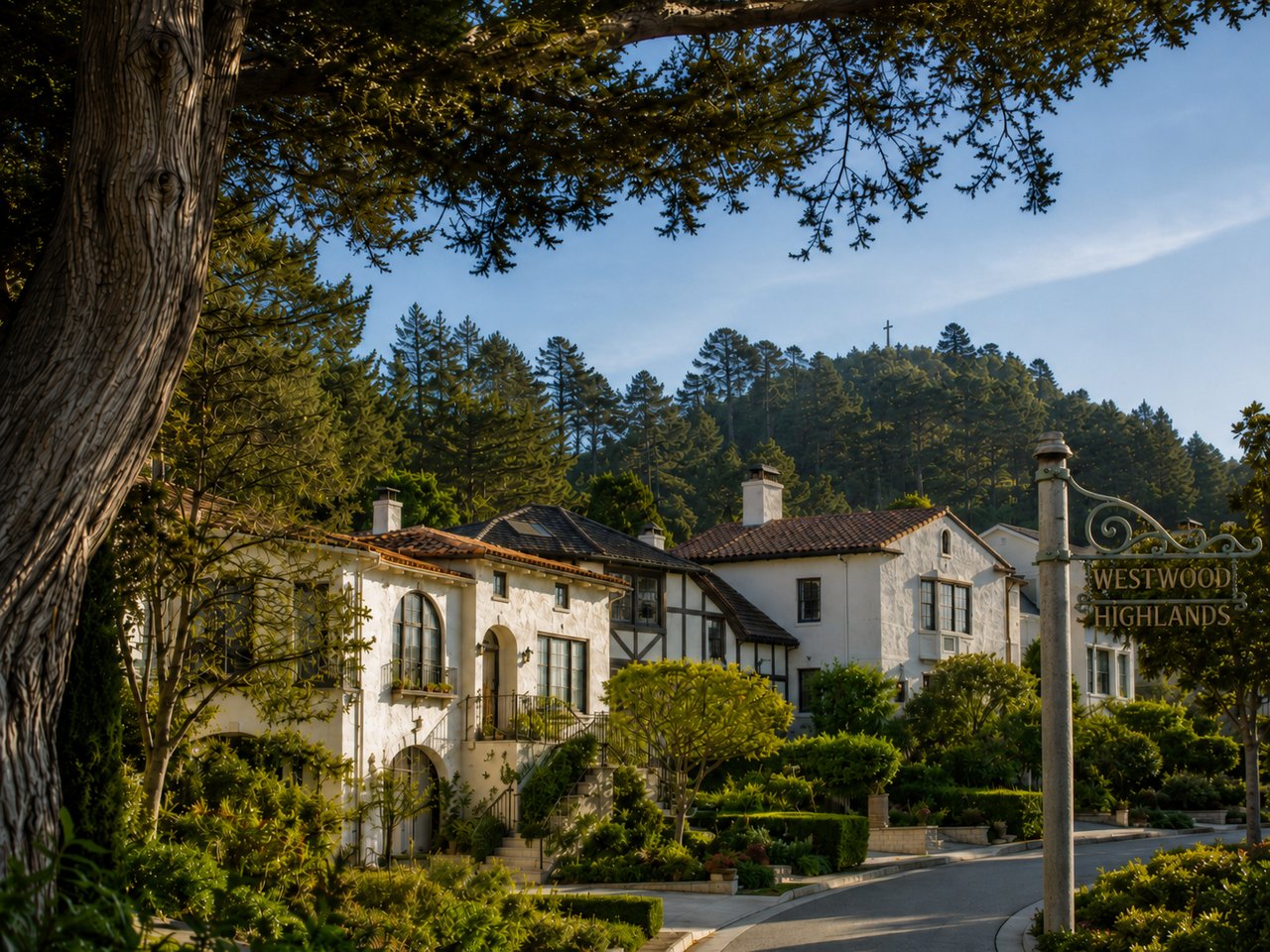
It is one of San Francisco’s most quietly fascinating communities, a hidden 1920s enclave with detached homes, curving streets, garden-like front yards, old-world architecture, and a surprisingly suburban feeling in the middle of the city.
As a native San Franciscan and a real estate agent with nearly 30 years of experience, I love places like this because they remind you that San Francisco is not one market. It is a collection of micro-neighborhoods, each with its own history, personality, buyer profile, value drivers, and emotional pull.
Few places illustrate that better than Westwood Highlands. It is not flashy. It is not obvious. It does not announce itself the way some San Francisco neighborhoods do.
And that is exactly what makes it special.
The Lesser-Known “Wood” With a Story All Its Own
Westwood Highlands sits near St. Francis Wood and close to major city conveniences, yet it feels remarkably private.
That sense of seclusion is not an accident.
The community was intentionally laid out to feel sheltered from the surrounding city. Its roads do not have the same busy, grid-like rhythm that defines many parts of San Francisco. There is no major commercial strip running through the middle of it and no tourist destination constantly drawing people in.
Instead, Westwood Highlands reveals itself slowly.
You begin to notice the winding roads, the individual homes, the landscaped front yards, the garages, and the calm. There is a distinct feeling that you have entered a residential pocket created to offer some separation from the pace of the city around it.
That is why I think of Westwood Highlands as one of San Francisco’s great hidden-in-plain-sight communities.
A 1920s Vision of City Living
Westwood Highlands was created during one of the most important growth periods in San Francisco’s west side history.
Before the Twin Peaks and West Portal tunnel era, this part of the city was much harder to reach from downtown. Once the tunnel made commuting more practical, the west side became far more desirable for homebuilding. Suddenly, buyers could imagine living with more light, more air, more space, and a calmer way of life while still remaining connected to the city.
In many ways, Westwood Highlands was envisioned as a commuter suburb within San Francisco.
That may sound unusual today, but in the 1920s it made perfect sense. The goal was to create a place where residents could enjoy a detached home, a garage, a front yard, a backyard, and a serene setting without leaving San Francisco.
It was not just about selling houses. It was about offering a particular way of living.
Nearly 100 years later, that vision still resonates.
Not Just Built, But Carefully Planned
From its earliest plans, Westwood Highlands was shaped with a rare level of intention and architectural discipline.
The area was not developed as a random collection of homes. It was conceived as a cohesive residential environment. The streets followed the hillside. The houses were designed to work with the slope. Utility lines were placed toward the rear. Front yards were expected to have a landscaped, garden-like quality. The overall appearance was meant to be varied, yet harmonious.
That is one of the secrets of its lasting appeal.
Westwood Highlands does not feel cookie-cutter, but it also does not feel disjointed. The homes have individuality, yet they share a consistent architectural character.
Many of the properties feature Spanish, Mediterranean, Tudor, or storybook influences. You see arched entries, tiled roofs, stucco exteriors, interesting rooflines, fireplaces, garages, and established landscaping.
The result is controlled variety, with enough architectural interest to make the area charming and enough consistency to give it a polished, elegant feel.
The Curious Covenants Behind Westwood Highlands
One of the most fascinating parts of Westwood Highlands is its original covenants, conditions, and restrictions.These rules were established to preserve the area as a single-family, non-commercial residential community. They controlled what could be built, how properties could be used, and which types of activity were prohibited.
Some of the restrictions make perfect sense. The original guidelines were intended to prevent disruptive commercial or industrial uses and preserve the peaceful residential character of the area.
But some of the rules are also wonderfully specific in the way only old San Francisco documents can be.
The covenants reportedly prohibited uses such as liquor manufacturing or sales, undertaking establishments, crematories, sanitariums, asylums, cattle yards, dog kennels, slaughterhouses, hog pens, carpet-beating plants, and, perhaps most memorably, a school for the teaching of wind instruments.
Apparently, the original planners of Westwood Highlands were determined to protect residents from factories, livestock, funeral homes, and trombone lessons.
It is funny, but it also reveals something important. Westwood Highlands was envisioned as orderly, residential, tranquil, and carefully preserved.
The regulations were not an afterthought. They were part of the original vision.
Why Buyers Are Drawn to Westwood Highlands
Westwood Highlands offers something many San Francisco buyers want but cannot always find. Space, charm, privacy, and a genuine sense of community.
There is a softness to the area that immediately stands out. Individual residences, garages, landscaped yards, mature trees, winding roads, and architectural character all contribute to the atmosphere. It is also conveniently located near Mount Davidson, West Portal, Monterey Boulevard, Glen Park, St. Francis Wood, and major commute routes.
It feels peaceful without feeling isolated.
For buyers coming from denser parts of San Francisco, Westwood Highlands can feel like a true discovery. It offers the comfort of a residential enclave while keeping the conveniences of city living close by.
It is also a community with texture. The homes have history, but the experience of living there still feels completely relevant. Buyers can sense the difference between an area that simply developed over time and one that was thoughtfully created to provide harmony, privacy, and enduring residential appeal.
Westwood Highlands has elegance, but it is understated.
It has prestige, but it does not seek attention. It has architectural character without feeling frozen in time. For the right buyer, that combination is powerful.
Why This Matters for Sellers
For homeowners in Westwood Highlands, the history and identity of the community are more than interesting background. They contribute directly to a property’s value.
A home here should never be marketed generically.
It should not be reduced to bedrooms, bathrooms, square footage, and a few basic photos. In an enclave like Westwood Highlands, the full value is found in the complete presentation: the architecture, the setting, the hillside streets, the individual-home character, the landscaping, the historic planning, and the rare sense of privacy in the middle of San Francisco.
That is where strategy becomes important.
The right marketing should help buyers understand not only what the home offers, but what distinguishes it from other properties.
That includes pricing, preparation, photography, staging, digital exposure, positioning, negotiation, and knowing which buyer profile is most likely to respond both emotionally and financially to this kind of home.
In San Francisco, property values can change dramatically from one block to the next. A good San Francisco real estate agent has to understand more than the comparable sales. You have to know how to position a property so buyers recognize its value before they ever walk through the door.
That is especially important in Westwood Highlands, where the surroundings and heritage can be just as meaningful as the house itself.
Why Local Knowledge Matters
San Francisco is not a city you can fully understand through online searches, automated valuations, or surface-level market data.
It is a city of micro-neighborhoods, architectural nuance, hidden value differences, buyer psychology, and block-by-block strategy.
Westwood Highlands demonstrates that beautifully. It is not simply a peaceful residential pocket near St. Francis Wood. To someone who understands San Francisco deeply, it is much more than that.
It is a planned 1920s hillside enclave with a distinct identity, a unique residential atmosphere, and a level of understated charm that has become increasingly rare in the city.
That understanding matters when selling a home.
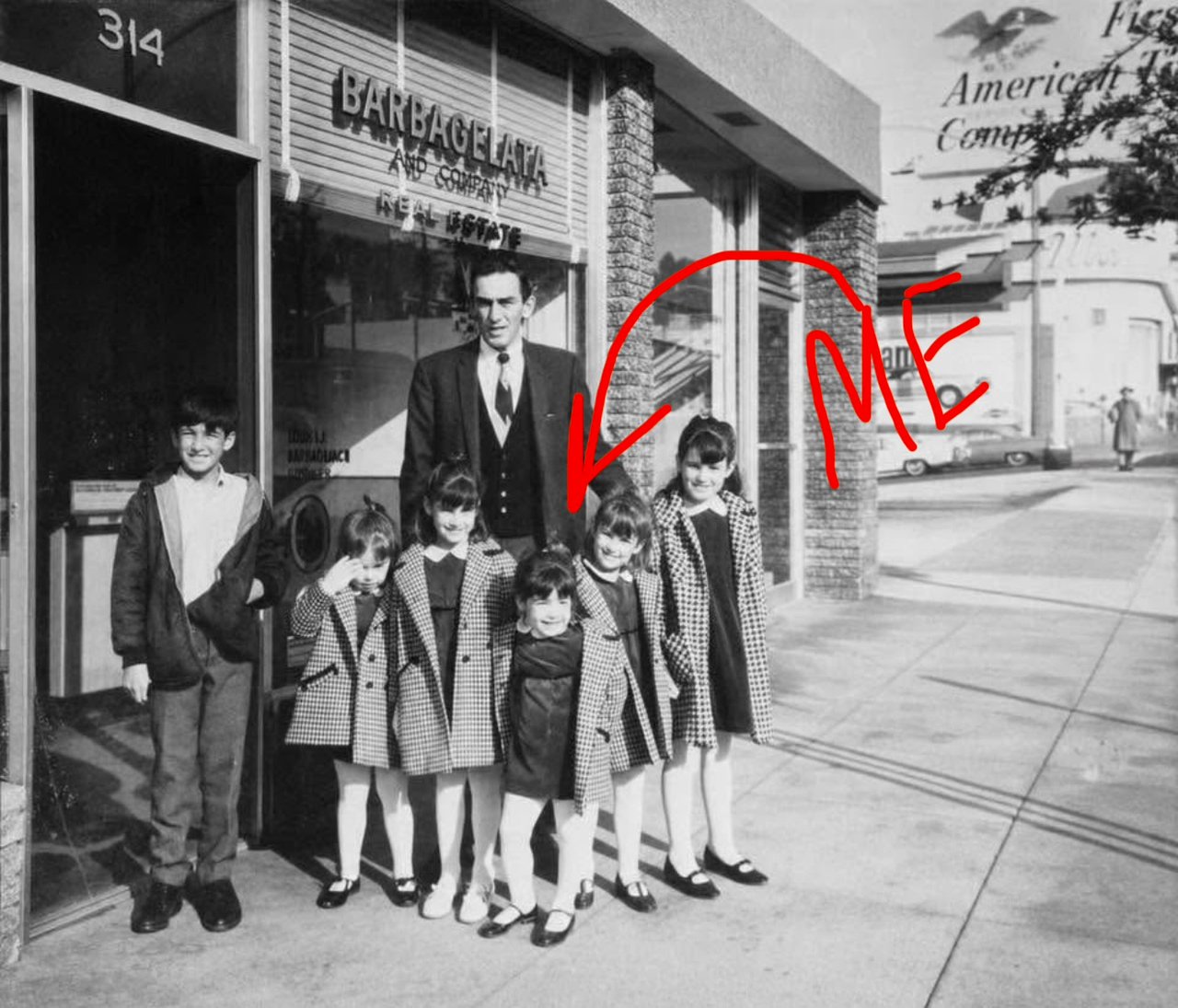
As a native San Franciscan, born and raised in a real estate family, and with nearly 30 years of experience representing buyers and sellers throughout San Francisco and the Bay Area, I understand how to translate that local knowledge into strategy.
My job is not just to place a property on the market. My job is to identify what sets it apart, prepare it properly, communicate its value, reach the right buyers, and negotiate from a position of strength.
In a community as nuanced as Westwood Highlands, that kind of representation can make all the difference.
Thinking About Buying or Selling in San Francisco or the Bay Area?
In a market changing this quickly, who you work with matters.
If you are thinking about selling, buying, investing, reach out directly.
My deep San Francisco roots, insider market knowledge, strategic approach, and decades of experience can help give you a serious advantage in today’s competitive market.
Elena Barbagelata
Barbagelata Real Estate
BarbCo
Email: [email protected]
Website: ElenaBarbagelataRealEstate
Cell: 415-706-1116
I’ll get you home.
DRE License #01215417